 日本語
日本語 English
 नेपाली

Session 2: How to Avoid Troubles
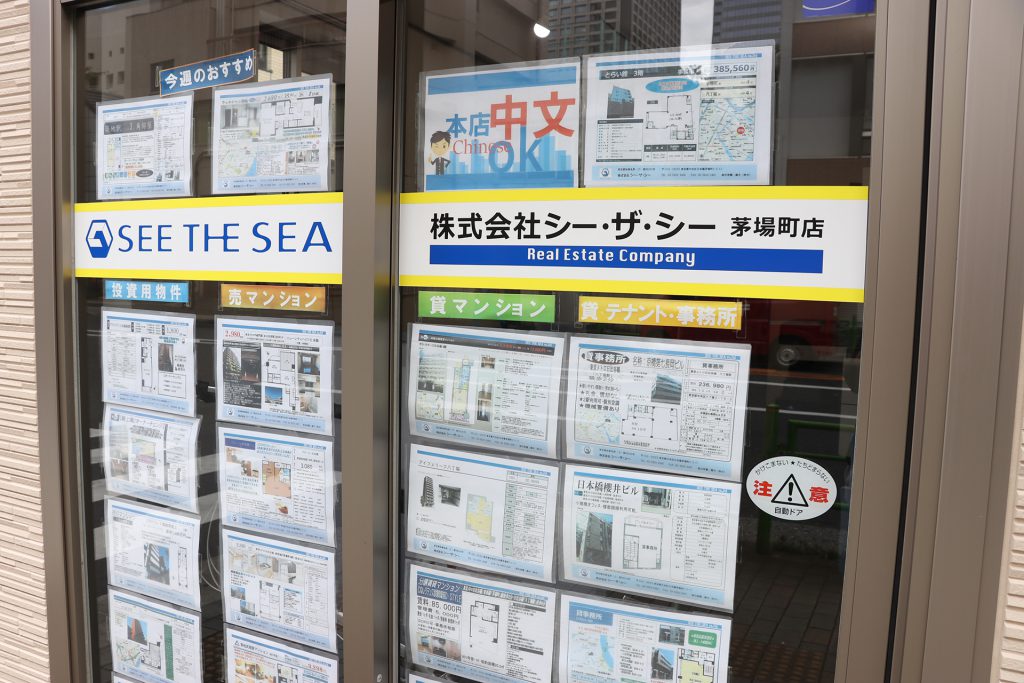
Real estate agents that support Chinese language
(Continuation from the first session)
With the increase in fixed-term rentals, be sure to prepare for renewal fees.
JII: After the 2-year contract is over, is the renewal fee always required to be paid?
Miumi: This was decided at the time of the initial contract. However, there are hardly any areas that are exempt.
JII: What kind of cost is the renewal fee?
Miumi: When renewing, we need to create a renewal contract, so that's the labor cost involved. It's common to pay half of the renewal fee to the real estate agency as a commission.
JII: I see, it's a fee paid to the real estate agency.
Miumi: Recently, there has been an increase in what is known as a fixed-term lease, which is essentially a contract with a set duration.
JII: It is something where the rental period is fixed and there is no renewal, right?
Miumi: As a rule, six months prior, the owner will notify you that they will not be renewing the lease. In that case, the tenant must vacate the room. However, there are also cases where a renewal is permitted.
JII: Is that for the same property?
Miumi: That's right. If you are renewing the contract, a one-month fee will be required. The biggest risk for the owner is having a tenant who stays without paying rent.
I dislike having people with poor qualities lingering around, so to avoid that, I think it would be good to try renting for two years and then assess the tenant and their rent payment situation before deciding whether to renew the contract. For example, if someone has a history of late rent payments, I can simply choose not to renew the contract after two years.
This can be said in the case of a fixed-term lease.
JII: I see, it's a tool for owners to evict tenants with bad manners.
Miumi: That's right. Additionally, if we know that someone will be returning after a transfer in two years, we decide in advance when they should leave.
JII: Are properties with fixed terms like this increasing?
Miumi: In particular, the properties owned by the fund are increasingly using fixed-term leases.
Determine repair costs during occupancy at the time of contract.
JII: Regarding fixtures installed in the house, how do you divide what the landlord repairs and what the tenant is responsible for?
Miumi: It's generally better to review the contract. In Tokyo, there is a law called the "Rental Dispute Prevention Ordinance," which aims to clarify the division of responsibilities between tenants and landlords regarding security deposits and property repairs. Typically, the landlord is responsible for essential items needed for income generation (like air conditioning, toilets, or plumbing issues). On the other hand, items that wear out through normal use, such as a toilet breaking due to improper disposal or accidentally breaking a window, are not the landlord's responsibility, so the tenant must cover those costs. This is common knowledge. Minor repairs, like changing light bulbs or replacing batteries in remotes, should be agreed upon in advance during the contract signing.
JII: What if I want to sign a new contract for internet service?
Miumi: It's often the case that most of the burden falls on the residents.
JII: Is it common to request replacing an old air conditioner?
Miumi: Whether something is old or new varies from person to person, making it difficult to determine. For instance, if there are issues like not cooling properly or unpleasant odors, a replacement may be necessary. However, just because something is old doesn't automatically mean there are problems; it leads to the question, "Is there any issue with it?"
Contact the administrator for any issues upon moving in
JII: Even if a person thinks they are careful about their lifestyle habits, there may be things that bother those around them. When a dispute arises with neighbors, what is the best way to resolve it?
Miumi: There are many issues related to lifestyle habits. Whether foreign or Japanese, it's definitely about garbage, noise, and vibrations. The way we respond varies depending on the nature of the trouble. It also depends on which party caused the issue.
For example, if someone says something to you even though you haven't done anything, it's best for you to address it if you recognize the issue. If you find it difficult to tell other residents that the noise is too loud, you can communicate this through the management company or real estate agency.
JII: If there is something that concerns you, you should inform the management company or real estate agency.
Miumi: When there is a contract or if any issues arise, it is clearly established where to contact, so I will confirm that and reach out.
JII: It is very important to decide on various matters in advance at the time of the contract to prevent troubles.
Miumi: That's right. The most contentious issue usually revolves around money, so it's important to understand what expenses are involved and how much is needed at the application stage. Additionally, be clear about the contract details, contact information in case of any issues, and the process for moving out. It's crucial to confirm all of this in advance.
Costs at the time of moving out are variable
JII: I would like to ask about moving out. When leaving the room, some people clean it thoroughly— is that necessary?
Miumi: In the case of rentals, it's common to decide in advance how to handle cleaning costs after moving out, which is typically around 1000 yen per square meter.
If nothing is cleaned when it's not decided, there may be a significant charge from the cleaning service to the owner, which could then be deducted from the security deposit.
It's important to understand that cleaning costs can change depending on whether you do the cleaning yourself.
If you have made unauthorized modifications or left holes after removing items during your tenancy, you will be charged for repair or restoration costs. While this is not typically a contentious issue,
If you leave behind any belongings, please note that garbage disposal is charged, and the cost may be deducted from your security deposit. For foreigners, if you leave your bed behind just because you are returning to your home country, the owner will have to bear the disposal costs.
(continued)
(Text: Yang Miao, Mariko Uematsu)
Related Articles
- Why is it so difficult for foreigners to find properties?! Part 1: Key Points for Property Search and Finances
- Why is it so difficult for foreigners to find properties?! Part 2: Avoiding Troubles
- Why is it so difficult for foreigners to find properties?! Part 3: Why are they rejected? Income? Lifestyle habits?