 日本語
 English
 नेपाली
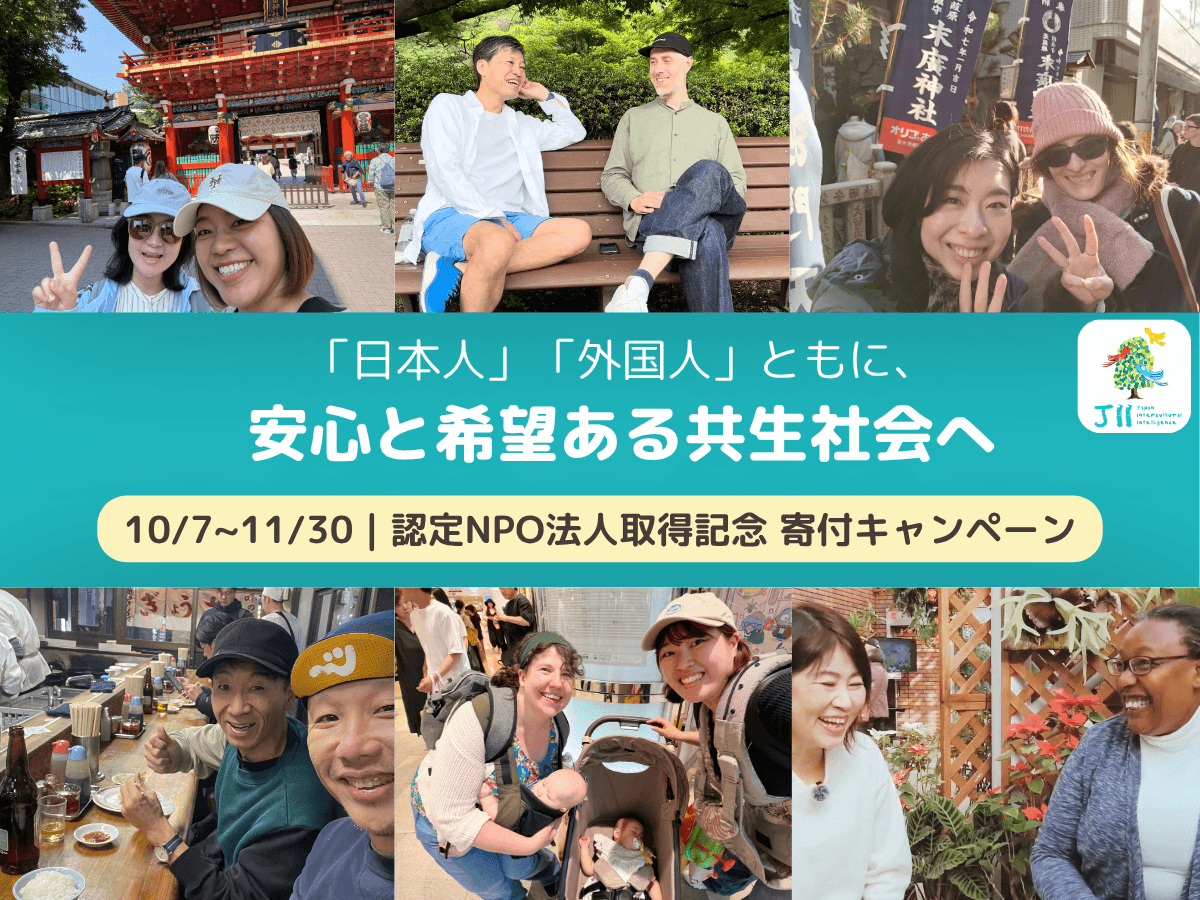
Please consider making a donation! (Until November 30, 2026)
* For those making bank transfers, click here
Donations to JII areEligible for tax benefits such as donation deductionsIt will be subject to tax benefits (for tax benefits, see here)
Toward a harmonious society with safety and hope for both "Japanese" and "Foreign" residents Can Live Together
Anxiety quitely spreading among foreign residents amid changing systems
The systems and social conditions surrounding foreign residents living in Japan are now undergoing major changes.
Since around last year, there has hardly been a day when we have not seen or heard exclusionary messages toward foreigners on the internet and TV, and elsewhere. And the mood in Japanese society has changed drastically compared to a few years ago.
Foreign residents who live in Japan, interact with people, and respect the law are experiencing sadness and anxiety.
Changes in reality... Can we no longer live in Japan?
During this period, there has been a surge in media reports emphasizing crimes and poor manners by foreigners, as well as the spread of hate and anxiety-provoking information on social media.
Intentional dissemination of such information does not simply contribute to an excluonary atmospher throughout society.
From last year into this year, policy proposals that could threaten the lives of foreign residents have been heard one after another.
・Increase the capital requirement for the Business Manager visa from 5 million yen to 30 million yen
・New guidelines that significantly tighten the requirements for permanent residence visas
・Visa renewal and other fees increased from 6,000 yen to a maximum of 75,000 yen; permanent residency application fees raised from 10,000 yen to 200,000 yen
For example, the new "Permanent Residency Requirements Guideline" proposal imposes very strict annual income restrictions on foreigners seeking permanent residency, including one condition that "they must continuously earn an amount exceeding the average annual income of Japanese households (approximately 5.7 million yen)".
Many foreign residents primarily work in manufacturing, construction, agriculture, fisheries, caregiving, and food service. Most of these businesses are small to medium-sized, and the salaries are not necessarily high.
At this rate, the prospect for foreign residents who have worked diligently for many years and have put down roots in their communities to "live in Japan with peace of mind" may become increasingly uncertain
There is a possibility that a major revision of future plans will be forced, to many with these growing concern.
The impcat of this anxiety is likely to have a significant impact on the younger generations overseas who admire Japan and aspireto ive here as well.
Surely , this is not desirable for Japan either.
In Japan, where the population continues to decline, foreign residents are not only a " labor force" but also play a role in supporting the economy, social security, and local communities together.
Toward a society where each individual can meet as a member of the community
To dispel misleading information and images that may create false impressions, we need accurate and easy-to-understand explanations of the background behind them.. However, people cannot alwaysachieve understanding or acceptance things through precise words and careful explanations alone.
Foreign residents are also individuals who work, live with their families, and carry out their daily lives in the communities.We need pportuniites to spend time closely engaging with each individual's background and feelings,- which cannot be seen through the broad lable of term "foreigner." alone.
Through the time spent together in real life, perhaps we might be able to understand what is the "real truth"
Up until now, numerous "international exchanges" introducing different cultures have been held in various places. There is no doubt that these serve as opportunities to learn about foreign countries.
On the other hand, in the current phase of society where foreign residents are becoming members of the community, there is an increasing need for mutual understanding at the everyday and individual level.
JII connects temporary, non-everyday forms of exchanges to everyday interactions.
Because even with just one foreign resident, by interacting genuinely, taking time, and building a slightly deeper relationship, we create new mutual "awareness and trust."between people.
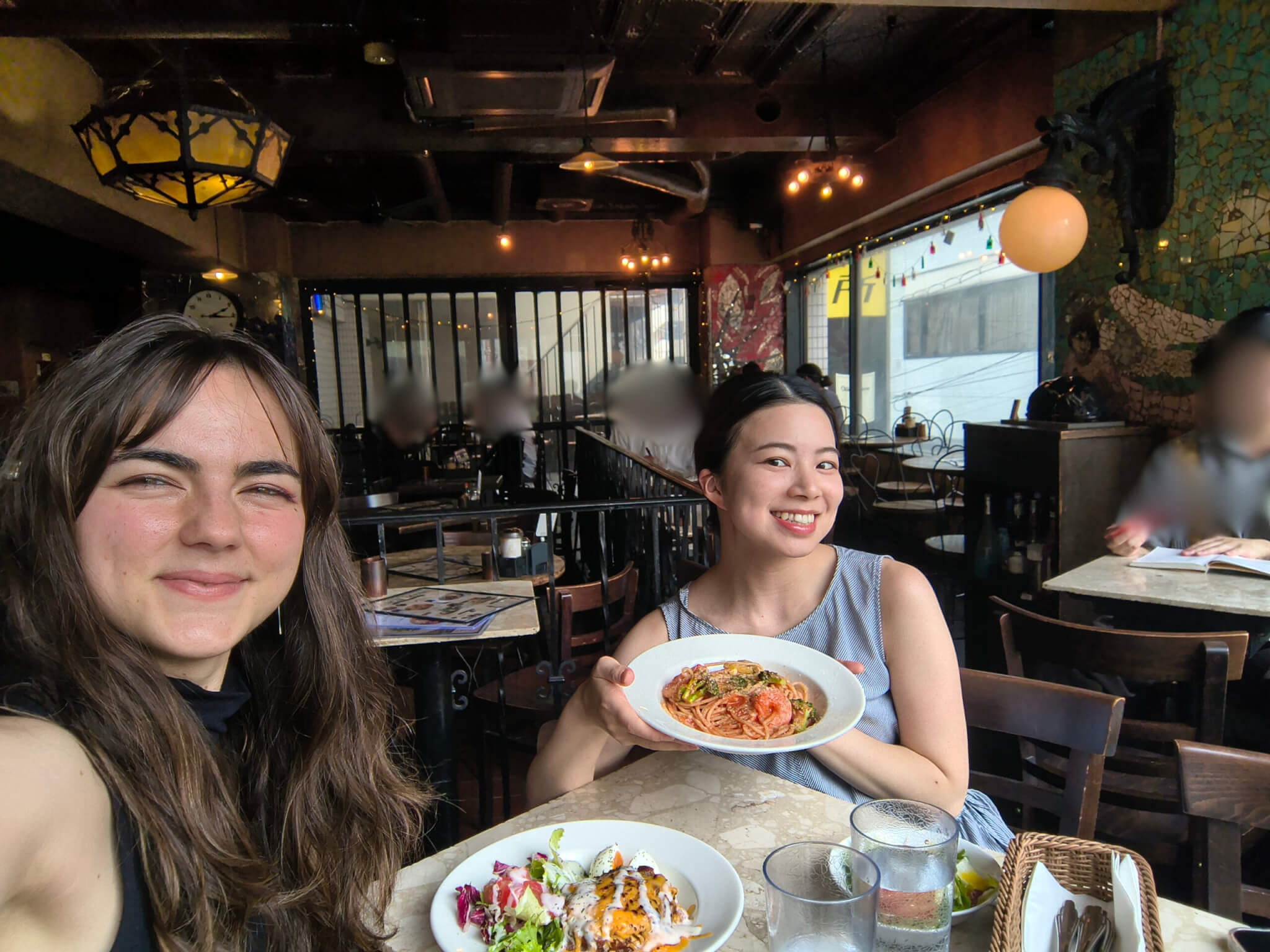
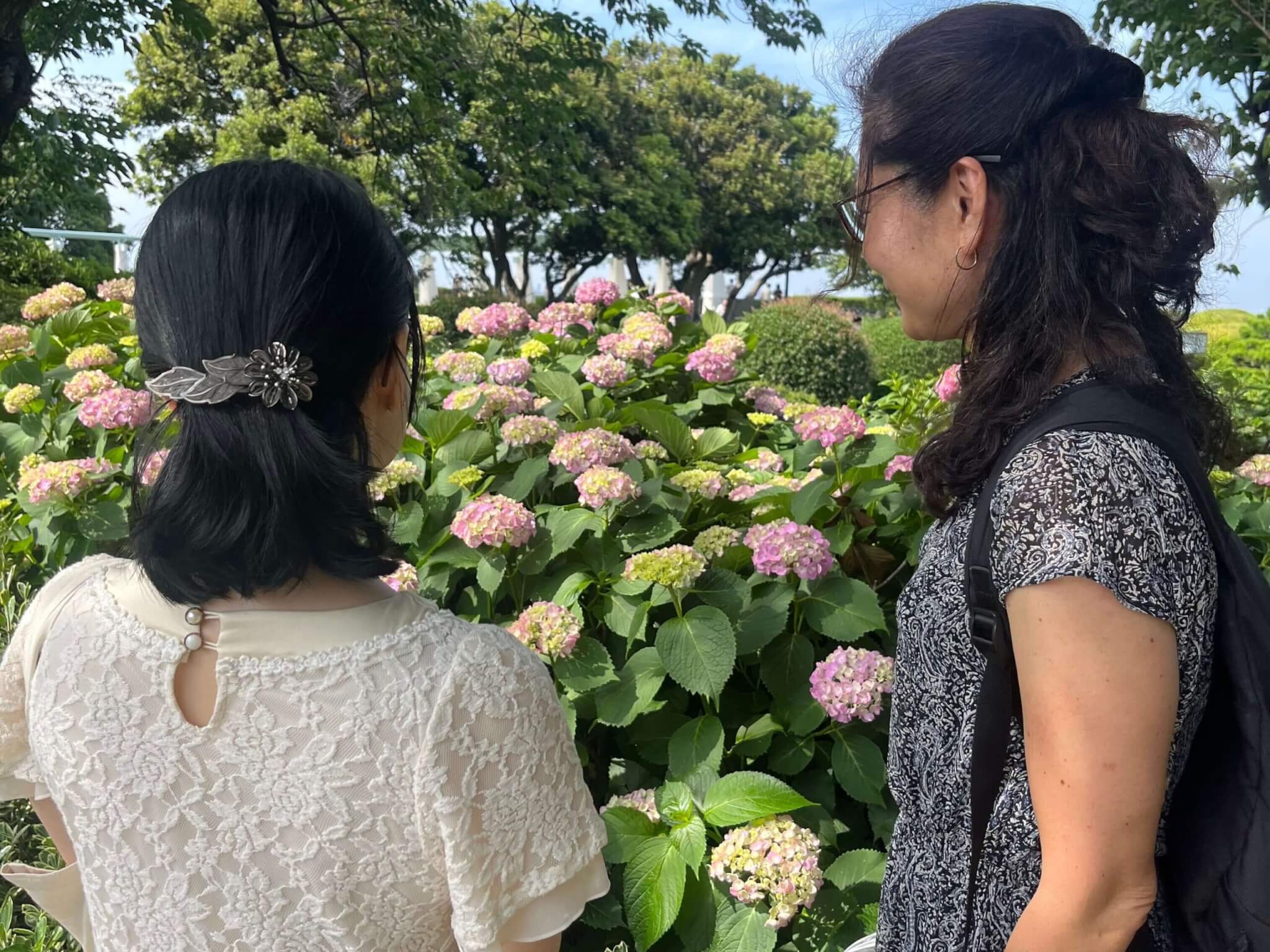
Five years since starting the OFP (Otonari-san Family Friend Program). A track record of an 89% pairing success rate
With the aim of creating exchanges of “awareness and trust” shared in daily life, we created the OFP system.
What foreigners who have started living in Japan need is guidance in navigating everyday life to get accustomed to society, as well as relationships of mutual support.
And for Japanese people as well, encountering different cultures and values every day brings new discoveries and opprtunities for personal growth.
The program where both parties share daily life and can support each other is exactly the form we aim for.
It is the first step toward building a society where people from different cultures and values respect each other, demonstrate their individual strengths, learn from one another, and cooperate together.
Small acts of understandings and empathy accumulate and spreads from neighbors to communities, and from communities to society as a whole.
Then, even when we may be at risk of beinginfluenced by uncertain information or images, minor misunderstandings or miscommunications are not difficult to resolve if there is a relationship built over time.
It has been five and a half years since OFP began, and so far, the total number of foreign participants and Japanese volunteer applicants has exceeded 1,700.
The sucessful pairing formation rate introduced by the coordinators is an impressive 89%.
And even after the official activity period has ended, we have received many heartwariming messages from the participants that they continue their daily relationships as friends. At the same time, there have been numerous cases where JII has taken on consultations that were difficult for volunteers to handle and directly connected paricipants with appropriate specialists.
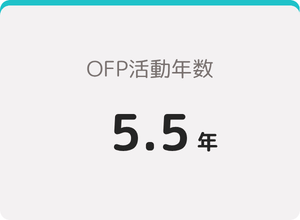
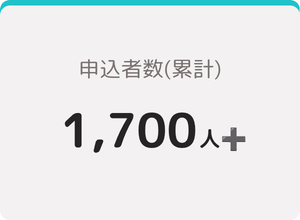
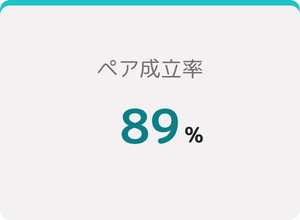
Since last year, the activity of SPOT (Spot Otonari-san), which can directly resolve the everyday troubles of foreign residents on a one-time basis, has also started. By combining "OFP" and "SPOT," a multi-layered support model has been realized that combines long-term trust with one-time support.
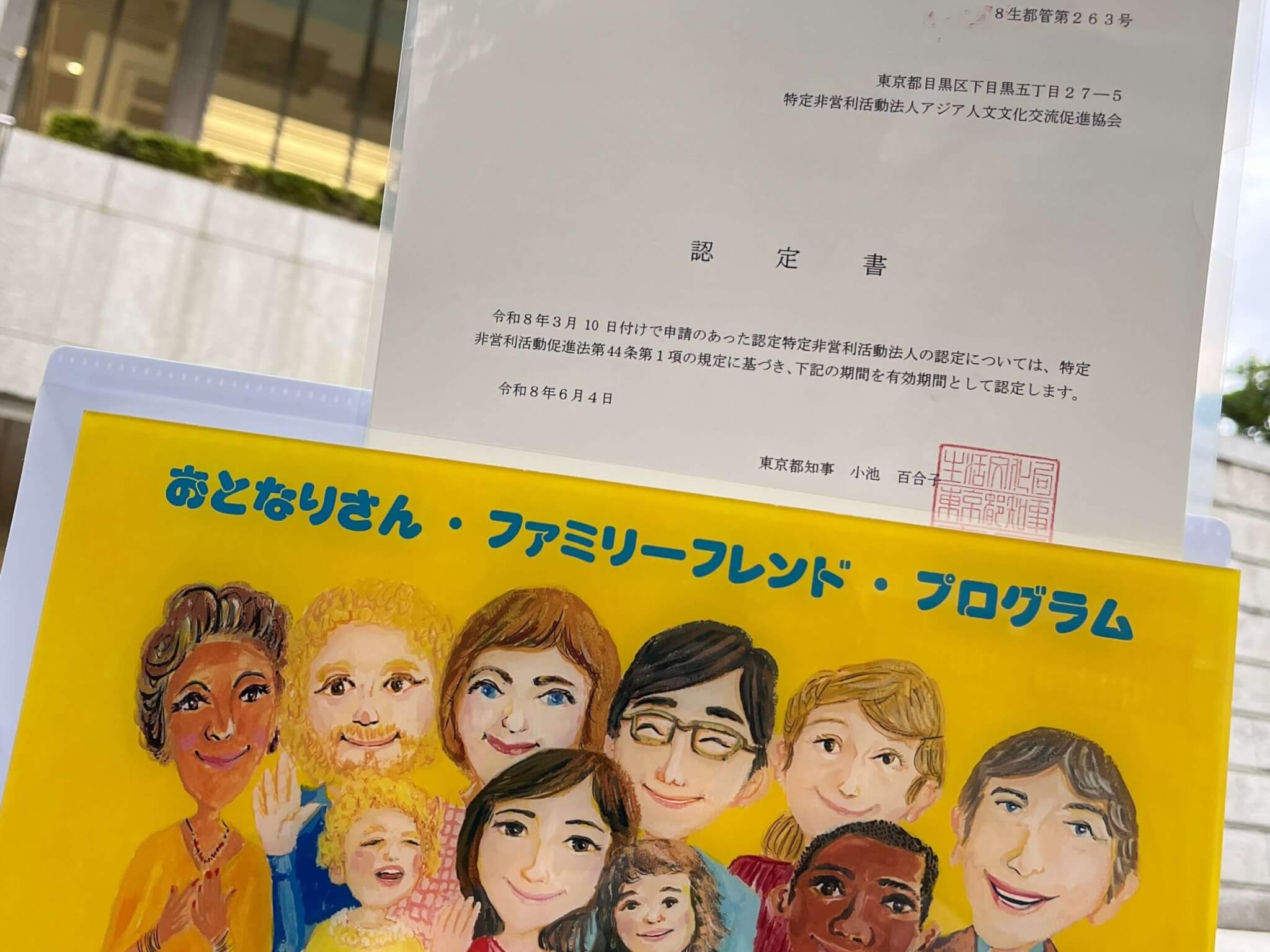
Becoming a "Certified NPO Corporation" means publicly recongnized for the public benefit of our activites, and transparency, and soundness of our operations.
JII has entered a new stage as a "Certified NPO Corporation" starting this June.
A "Certified NPO Corporation" designation is granted only to organizations whose public interest activities, operational transparency, and sound management have been officially recognized, representing just 2.5% of all NPO corporations.
Certified NPO corporations are eligible for tax benefits for donors, making them a safe and easy choice for donations.
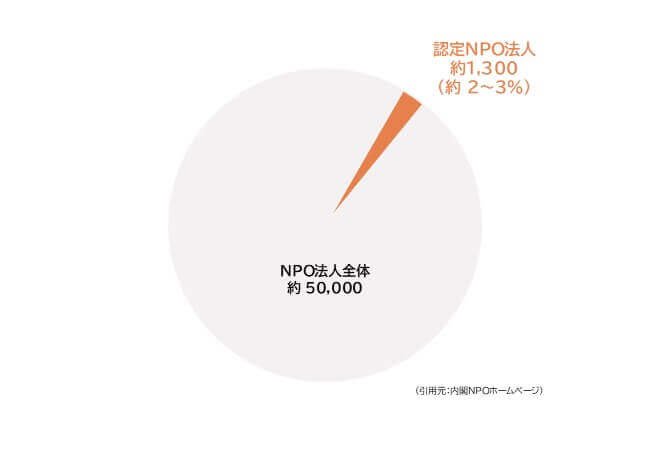
However, even if an non profit organization is "certified," it does not mean that grants or public funds will be received regularly or automatically.
Since the launch of the "OFP" activities, we have been pleased that the number of participants has grown.At the same time, the challenging issue of securing continuous funding to support operations has long remained unresolved, and has not kept pace with this growth.
At JII, our daily work includes briefings, pairing-up and SPOT coordination, consultation, Japanese language assistance, planning and management of various events, public relations, accounting, system management, and administrative processing. To reduce expenses, we have made effort to operate as efficiently as possible while minimizing costs including through remote work and the full use of ICT.
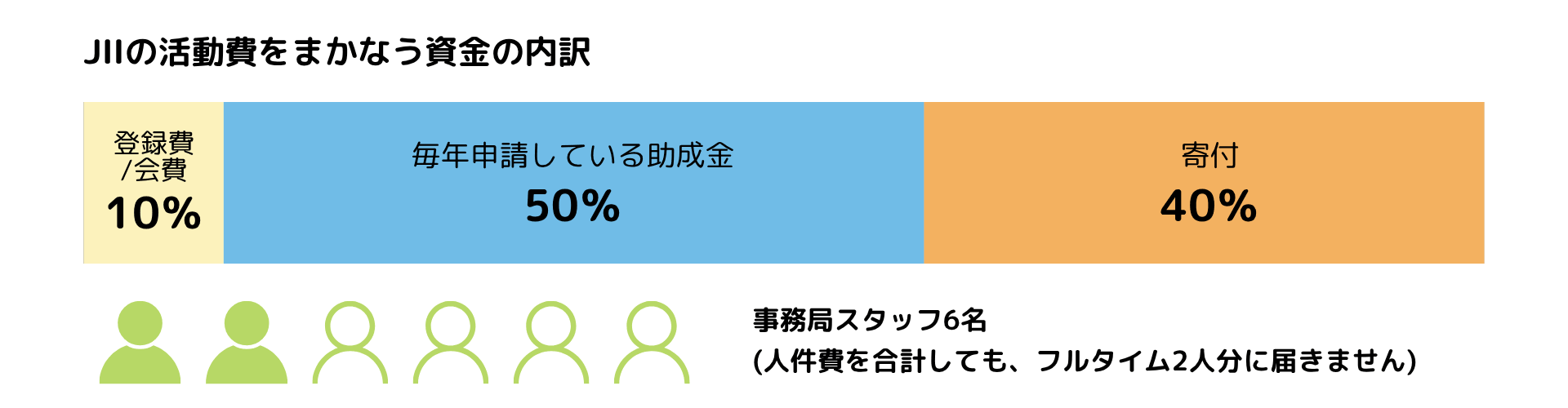
Six staff members at the secretariat handle these tasks, operating with personnel costs less than those of two full-time employees.
And the funds needed to cover the total activity costs, approximately about 10% comes from registration fees and membership dues paid by program participants. A further approximately 50% is supplemented by grants. The remaining 40% needs to be covered through donations.
We apply for grants every year, but whether or not we are awarded significantly affects the continuation of our projects. Additionally, depending on the timing of the grant payments, we have long faced a situation where we cannot even predict our cash flow three months ahead.
Please support us with ¥2.5 million in activity funding to continue our work !
What we need right now is not large-scale expansion of our activities.
The required target amount is ¥2.5 million .
This is the funding needed to continue our activities for one year. Even with limited resources, this funding provides foundation to maintain quality of our activities while keeping the new door called "Otonari-san," open to connects foreign residents and Japanese residents, and to respond to new voices and needs.
Therefore, we ask those who support JII's activities and are considering making a contribution.
Would you please support us to build the financial foundation that allows us to continue our activities?
Precisely because exclusionary sentiments are intensifying in the current situation, we want to continue serving as a bridge that creates new opportunities for Japanese and foreign residents to meet and build relationship of trust.
We believe that this will eventually lead to peace and development in society, and we will continue our activities with this belief.
We sincerely ask for your support.
Amount needed to continue activities for one year
250¥2.5 million
* For those making bank transfers, click here
Donations to JII areEligible for tax benefits such as donation deductionsIt will be subject to tax benefits (for tax benefits, see here)
* As an organization, JII supports the Immigration Network's statement strongly opposing the tightening of the guidelines on permanent residency and calling for their withdrawal. For details, please see here (Immigration Network's statement). You can also view the specific changes to the guidelines and how they will affect foreign residents.
Bank Transfer Account
If you wish to make a donation via bank transfer, please transfer the amount to the account below.
Bank Name: Docomo SMTB Net Bank,Inc. (Financial Institution Code 0038)
Branch Name: Corporate First Branch (Branch Code 106)
Account Type: Regular
Account Number: 1418300
Name: Kanji, Japan Intercultural Intelligence
Kana Tokuhai) Asian Cultural Exchange Association
* We will issue a donation receipt (donation acknowledgment), so please use thisDonation Application FormPlease fill out and submit the form.
・Other Support Options
Supoprt us on Social Media, let's add and post! #Otonari-san
Let's support by tagging!
Please share the story you experienced at OFP on social media!


