 日本語
日本語 English
 नेपाली
*This article is an excerpt and edited version of the "Parenting and Discipline with Young Children" seminar and consultation held in 2018.
*Available in English and Chinese versions
Q. Only eats white rice (4 years old)
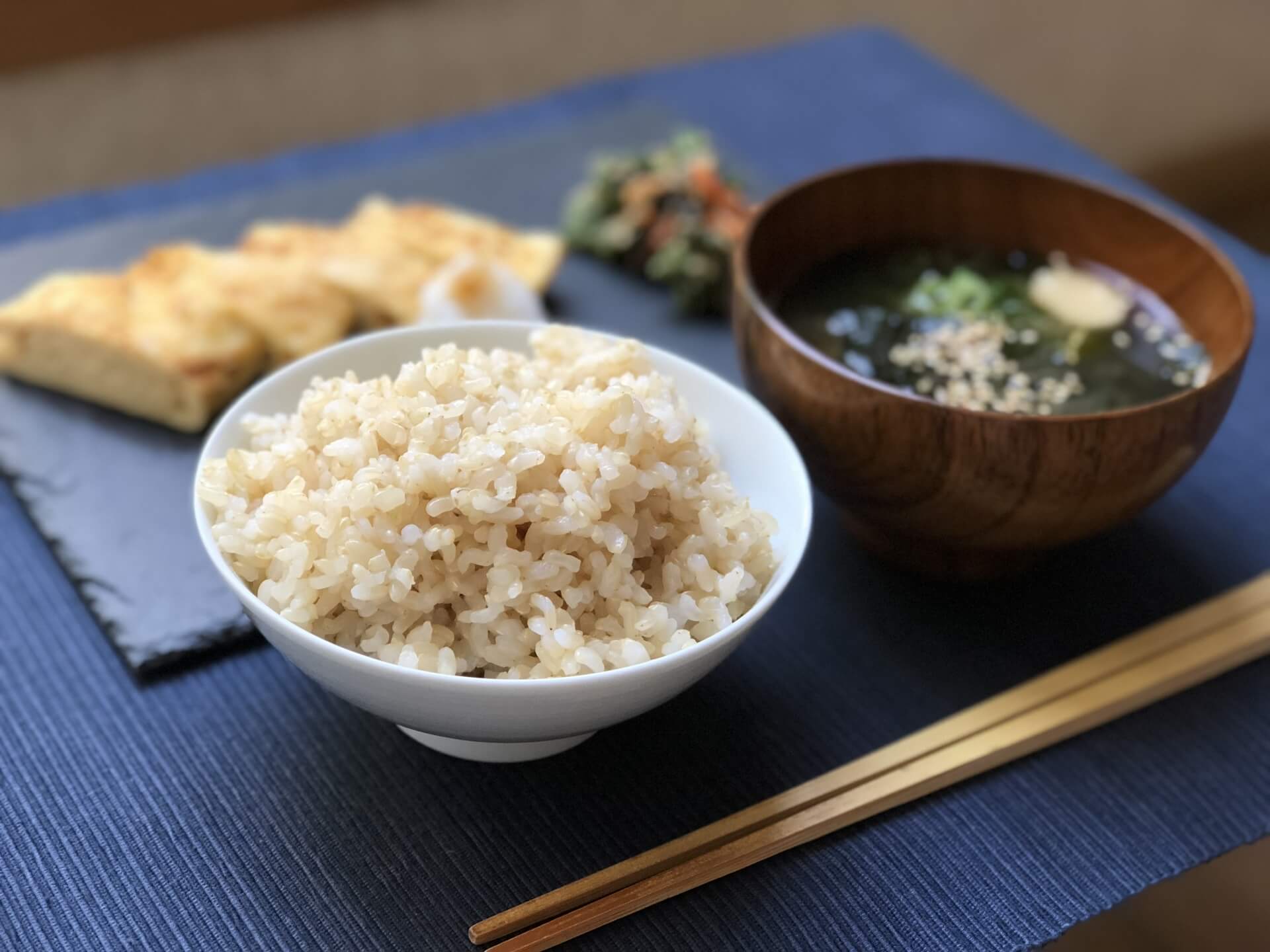
They have a strong preference for food and mostly eat plain white rice.
The only other things you can eat are rice with furikake, bread, fish, edamame, and fruits.
Once children start elementary school and school lunches begin, those who cannot eat must continue until they finish, leaving no time to play during recess.
If that happens, my child, who has a limited appetite, will have no break time.
I encourage them to eat anyway, but they don't.
A.
Basically, I'm getting enough protein and carbohydrates, so there are no issues with nutrition.
In fact, a person's mental state is reflected in what they eat.
When feeling mentally unstable, the variety of food becomes significantly limited.
Becoming sensitive to smells, and feeling a grainy texture when eating, can be quite unpleasant.
When your diet becomes unbalanced, it may indicate that you are experiencing mental instability.
In such cases, I would like you to gently say, 'I can't eat this right now.'
Children are funny; when you recommend something, they won't eat it.
So, I thought it would be best not to force them to eat.
Regarding school lunches, the school's approach is incorrect.
Forcing someone to eat is a form of abuse.
Parents should firmly tell the school that this is a form of lunch abuse.
Schools refer to parents as "guardians." This is also the term used in legal contexts.
A guardian is someone who protects a child.
When children are deprived of playtime, they start to dislike school.
This would result in a loss of educational opportunities.
It is essential to be an adult, a guardian, who can clearly and firmly express the desire to stop such behavior.
When there's a problem, parents go to the school. What the mother says brings great comfort to the child.
Additionally, there are quite a few foods that children dislike which can actually be sources of allergens.
This may be why the child's body is rejecting it.
That's why nutritionists say it's better not to force children to eat foods they dislike or have an aversion to.
I believe that a child's likes and dislikes should be assessed based on their mental state and physical condition.
……………………………………………………………………………………………………….
Advisor: Yoshiko Uchida (Child Psychology Counselor)
Since 1973, I have been providing consultation services at several public health centers in Tokyo. Since 1998, I have been running the "Children's Consultation Room: Momo's Room," where I hold group counseling sessions for issues such as school refusal, delinquency, and social withdrawal. I have also served as a part-time lecturer at Rikkyo University and as an advisor for NHK Radio's telephone consultation program, "Children's Heart Consultation." I have given numerous lectures at parenting circles across the country, as well as at meetings for parents considering school refusal and at kindergartens. My published works include 'Counselor Ryoko's Parenting Mysteries,' 'Q&A on Young Children's Lives and Hearts,' and 'Reluctance to Attend School.'