 日本語
日本語 English
 नेपाली
*This article is an excerpt and edited version of the "Parenting and Discipline with Young Children" seminar and consultation held in 2018.
*Available in English and Chinese versions
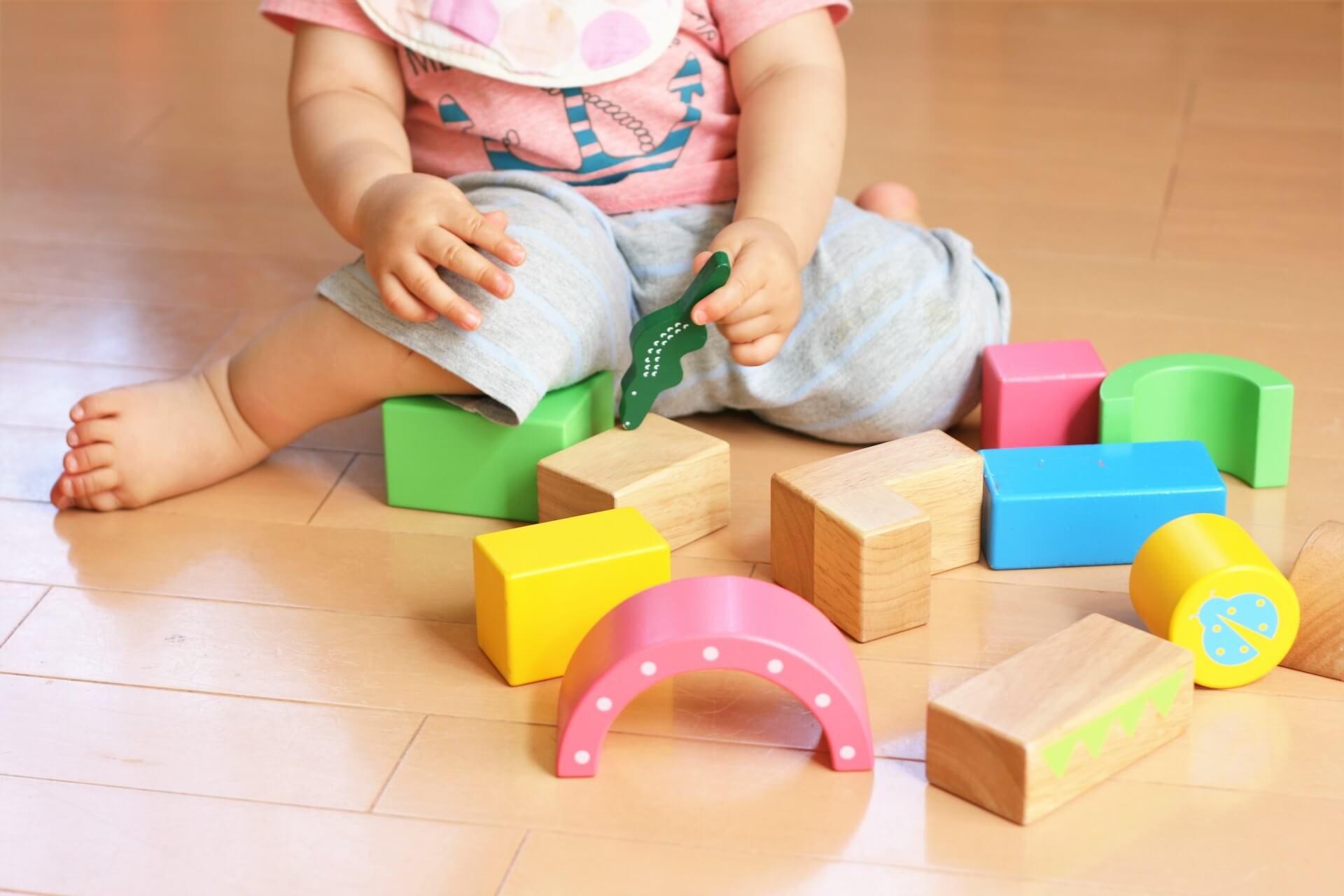
Q. My 18-month-old is struggling to not grab their friend's toys right away.
Since turning one and a half years old and starting to play with friends, my child immediately tries to take their toys.
Saying things like, "Let's return it after playing" or "I'm playing now, so let's borrow it later,"
We are responding based on the situation, but we are struggling.

A.
They are approached with a very gentle manner, focusing on the child.
"Sorry for a moment," or "Let me play," or "I'm playing right now, so let's do it later,"
The mother is expressing what the child cannot put into words, helping to clarify their relationship.
This is actually very important.
Before the age of 3, children are still at an age where they cannot play well with each other.
When children under 3 years old are left together, they quickly start to fight over things.
This is because they still struggle to effectively use common playful language, such as "lend me".
Around the age of 3, children start to create simple rules among themselves.
Because children can share common rules with each other, such as "It's my turn" or "Later, okay?"
Children can play together.
Children are not just interested in toys,
That's where the "play" unfolds, and that's what makes it interesting..
For example, even if you have the same toy,
It often happens that you go to take the same toy that your friend is playing with,
It is not about going to get toys, but rather about going to get "play".
That's why, before the age of three, it's important to have someone to play with using toys. That someone is the mother.
Various children gather around the child who is playing with their mother.
This is because there is interaction through manipulating toys and exchanging words.
Naturally, you would want to go get the toy, but at that moment,
Mom would say things like, "You can't because our child is still playing," or "Why don't you play over here instead?"
Can manage the traffic of "play."
In that case, some children may feel satisfied just by having someone to interact with.
When another child came to pick it up, the mother interpreted, "They are still playing, so not yet."
You can also say, "It's fine now, so here, take the toy."
Through these repeated interactions, children learn to say "wait," "later," and "please."
……………………………………………………………………………………………………….
Advisor: Yoshiko Uchida (Child Psychology Counselor)
Since 1973, I have been providing consultation services at several public health centers in Tokyo. Since 1998, I have been running the "Children's Consultation Room: Momo's Room," where I hold group counseling sessions for issues such as school refusal, delinquency, and social withdrawal. I have also served as a part-time lecturer at Rikkyo University and as an advisor for NHK Radio's telephone consultation program, "Children's Heart Consultation." I have given numerous lectures at parenting circles across the country, as well as at meetings for parents considering school refusal and at kindergartens. My published works include 'Counselor Ryoko's Parenting Mysteries,' 'Q&A on Young Children's Lives and Hearts,' and 'Reluctance to Attend School.'