 日本語
日本語 English
 नेपाली
*This article is an excerpt and edited version of the "Parenting and Discipline for Young Children" seminar and consultation held in 2019.
*Available in English and Chinese versions
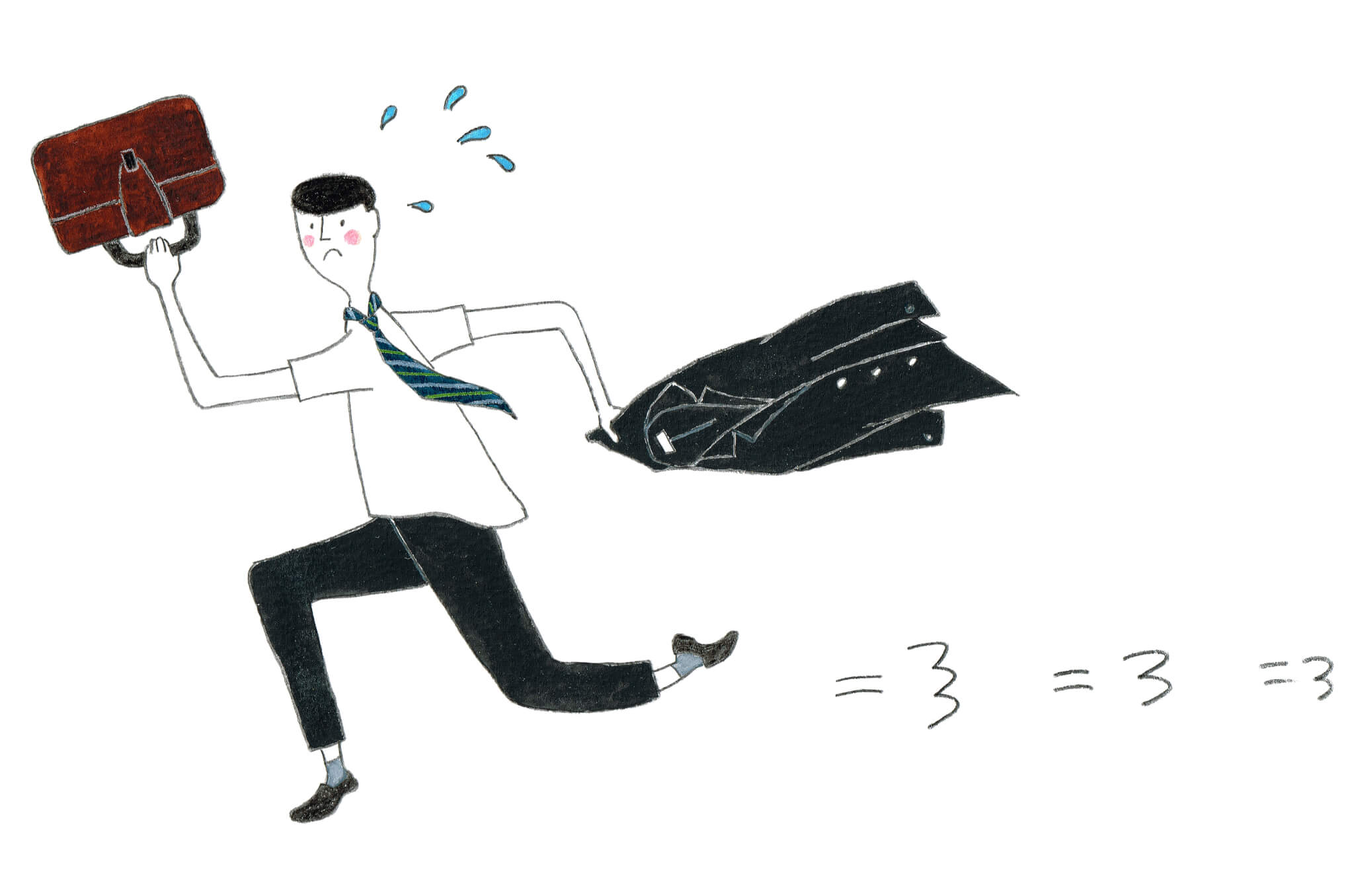
Q. My father is busy and hardly interacts with the children.
My husband is so busy with his self-employed work that he is hardly ever home, and when he is, he is usually sleeping, so he has almost no opportunity to interact with the children.
Even if there is, it's just a greeting. I'm okay with that, but I'm struggling with how I can fulfill the roles of both a mother and a father.
I worry about how children will feel about a father who can only be involved a little.
A.
You're doing a great job in such a challenging situation of 100% solo parenting.
Women are said to be well-suited for politics. This is because they manage various tasks daily, often on their own.
You can make various judgments and adapt your thinking to reality.
I believe Japan is currently in a transitional period. There are theories suggesting that nearly half of the younger generation consists of single mothers and single fathers.
It is said that half of the people in America are single.
So the roles of father and mother, so-calledRather than the concept of gender roles,
How to communicate with children on a human level and how to respect and interact with them as individuals, no matter how small.That is what it means.
That means it's fine to have one-on-one interactions. I'm human, and you're human too.
I want to share what I have learned through my experiences with children who have yet to gain those experiences.
"Just use me as a model and do it yourself" is more than enough.
When you are told, 'You are so unfortunate because you don't have your father, and you are lacking this and that,'
Children really do think that way.
ButWhen a mother simply expresses, "This is the best I can do, and this is our family's happiness,"
Children come to believe that this is the best life and that this is the best for our family.
Then, when Dad comes home, the child may not be asleep, but he might say things like, "How was the child?" or "The sleeping face is so cute," right?
That's something you can share with your child when their father is not around.
When I told him, 'Dad said you looked cute while you were sleeping last night,' even while you were asleep
It gives a sense of satisfaction to be enveloped in a gaze filled with love.
Also, please let your father know the various things your child says about him.
It's also important to honestly convey that "Mom is really busy and it's tough for her."
"I'm busy and it's tough. That's why Mom is feeling a bit frustrated today," letting the child know helps them understand how to interact.
Another important thing is to communicate this to your husband as well.
When I say things like, 'Today was tough because the kids wouldn't listen,' I send an email to my husband about all the various things that happened.
Sending a message like, "Something happened today that made me really angry," often prompts a quick response.
Communicate the current reality. It can be difficult to say it directly, but it's easier to convey through email or LINE, allowing the other person to understand the situation and prepare themselves mentally for their return.
Many people find that their relationships improve significantly when they show care, appreciation, and recognition for one another.
……………………………………………………………………………………………………….
Advisor: Yoshiko Uchida (Child Psychology Counselor)
Since 1973, I have been providing consultation services at several public health centers in Tokyo. Since 1998, I have been running the "Children's Consultation Room: Momo's Room," where I hold group counseling sessions for issues such as school refusal, delinquency, and social withdrawal. I have also served as a part-time lecturer at Rikkyo University and as an advisor for NHK Radio's telephone consultation program, "Children's Heart Consultation." I have given numerous lectures at parenting circles across the country, as well as at meetings for parents considering school refusal and at kindergartens. My published works include 'Counselor Ryoko's Parenting Mysteries,' 'Q&A on Young Children's Lives and Hearts,' and 'Reluctance to Attend School.'