 日本語
日本語 English
 नेपाली
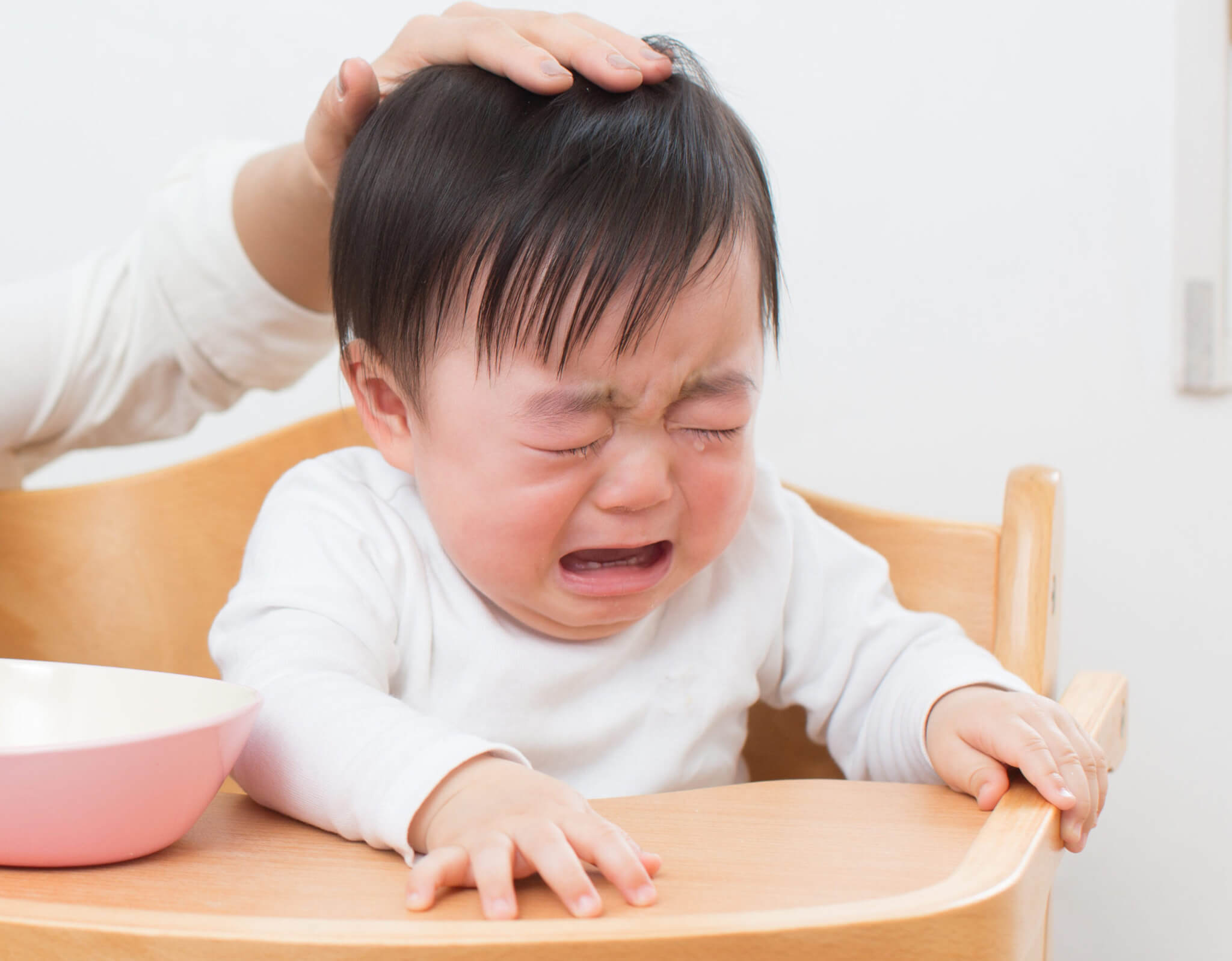
*This article is an excerpt and edited version of the "Parenting and Discipline with Young Children" seminar and consultation held in 2018.
*Available in English and Chinese versions
Q. How should I deal with a strong-willed child? (1.5 years old)
I used to eat everything that was given to me,
Recently, I've become more particular about things, saying things like 'I don't like this' or 'I like this.'
Sometimes they refuse to sit in the stroller or absolutely won't change direction from where they want to walk.
I think we might be entering the terrible twos.
I don't know how far I should go along with these selfish desires.

A.
That's true for a year and a half. It might be like that until around three years old.
What everyone calls selfishness is actually a child's assertion of self.
When you absolutely want to do something or absolutely want to eat something,
First, it's important to acknowledge and validate your child's feelings and opinions by saying, "I understand you."
If you say, 'I really want a snack right now,' respond with, 'Oh, you want a snack, got it.'
When a mother understands her child's feelings, the child feels a sense of relief.
However, there are children who respond with "No way" when you say, "It's before the meal, so let's wait until after the meal."
In such cases, it's perfectly fine to make a compromise, like saying, 'How about we agree that taking a bite of the food on the table is a good thing?'
What’s important in parenting is to create exceptions. For example, you might say, "Today is special, but next time it won't be allowed."
Children naturally struggle with self-control.
So please start by being a little patient.
And the important thing when you can endure is to praise.
Even if you can't eat everything during a meal, if you take a bite, praise them by saying, "You took a bite today!"
For children, taking a bite of something they dislike is a significant effort.
It's not just about praising, but rather acknowledging that Mom saw you did it well.
Your mother understands that you can do it, andacknowledges that.
By being properly acknowledged by their mothers, children can learn to exercise self-control.
Discipline is not about punishment..
Stopping because it's scary or because it hurts when you're hit is just a temporary solution.
However, saying things like, 'It's dangerous, so don't do that' or 'Stop it, or you might get hurt' is
It's important to convey your judgment.
When warning about something dangerous, first pick up the dangerous item and then say, 'It's dangerous, so don't do that.'
When I brought a knife, I thought my mom would take it away if I said, 'That's dangerous, you can't have that.'
Since children can sometimes grab things tightly and hurt themselves, be sure to remove any dangerous items.
It's important to bring it down to a safe state and then firmly say, 'No, that's not acceptable.'
Also, it's important to properly praise the things that were followed with attention.
Children under 3 years old do not understand what is right or wrong, so they will stop when they are told to do so.
However, since I can't do it now, I usually look at my parents' faces because I don't know what to do next.
Young children gauge their parents' reactions, so making a serious face and saying "No!" can be effective..
Listing various reasons and saying, 'This is why it's not possible,' is meaningless because it cannot be fully understood in the end.
So, first, I warn them with a serious expression, saying things like 'That's dangerous' or 'No way.'
It's more about giving guidance and conveying judgment than just scolding.
These experiences accumulate in a child's heart, and eventually, they come to understand that certain behaviors are not acceptable.
Looking someone in the face indicates that the child is seeking understanding and is growing up to be perceptive.
It's important to pay attention to facial expressions..
When my mother smiled and said, 'No, you can't,' just because the prank was cute,
I won't stop because I think my mom would be happy.
When it comes to children, it's a test of wisdom and perseverance, so please try various approaches.
……………………………………………………………………………………………………….
Advisor: Yoshiko Uchida (Child Psychology Counselor)
Since 1973, I have been providing consultation services at several public health centers in Tokyo. Since 1998, I have been running the "Children's Consultation Room: Momo's Room," where I hold group counseling sessions for issues such as school refusal, delinquency, and social withdrawal. I have also served as a part-time lecturer at Rikkyo University and as an advisor for NHK Radio's telephone consultation program, "Children's Heart Consultation." I have given numerous lectures at parenting circles across the country, as well as at meetings for parents considering school refusal and at kindergartens. My published works include 'Counselor Ryoko's Parenting Mysteries,' 'Q&A on Young Children's Lives and Hearts,' and 'Reluctance to Attend School.'